Dictation Do’s & Don’ts — How to “Be the Pencil” Without Taking Over
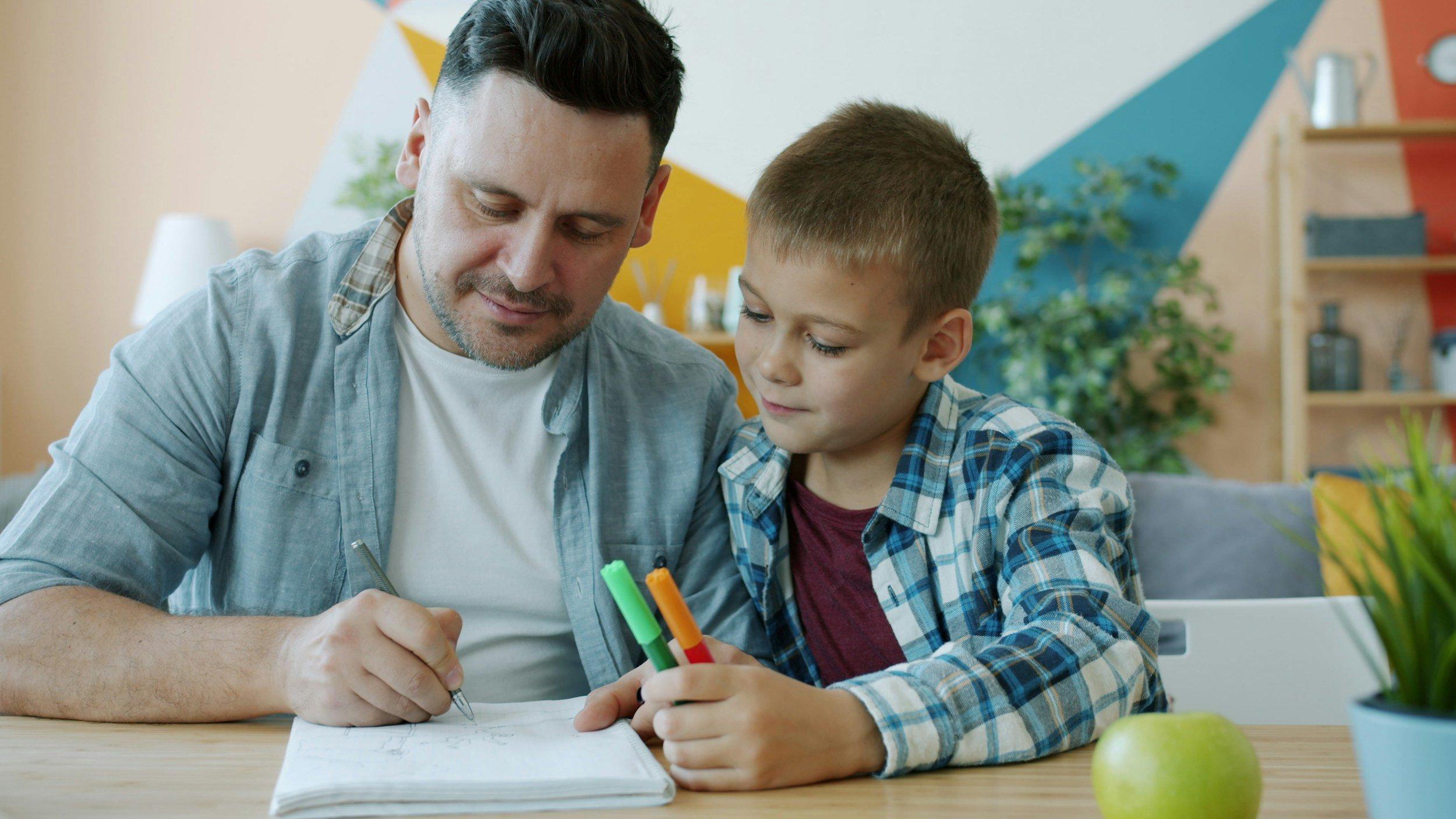
Dictation can feel like a magic shortcut: your child tells a story, you write it down, and suddenly they're an author. But how you take dictation matters more than people realize.
Why this matters
The National Association for the Education of Young Children encourages families to invite children to dictate stories, writing down exactly what the child says, then reading it back and inviting illustration. NAEYC also emphasizes that emergent writing skills are meaningful predictors for later literacy. Its guidance for dictation is simple: write the child's exact words, ask clarifying questions when appropriate, and avoid fixing grammar because it may inhibit the child.
Dictation do's
Do #1: write their exact words, even if it's messy
“I'm going to write your story exactly how you said it.” “This is your voice on paper.”
Do #2: ask clarifying questions without changing the story
“Tell me more about that part.” “What happened next?” “Who is in the story?”
Do #3: read it back and celebrate meaning
“Listen to your story—wow. You made the character feel real.” “Which part should we illustrate?”
Do #4: give your child a writing role, even if they don't write the words
They can add the title, their name, one label, one sound, or one favorite word. “Do you want to write the title, or the first letter of the main character?”
Dictation don'ts—and what to do instead
Don't improve grammar mid-story. Keep their wording and model rich language later during read-alouds.
Don't turn dictation into an interrogation. Use short prompts, then let them lead.
Don't force length. There is no minimum or maximum number of sentences; capture exactly what the child is trying to share.
Reflection questions for caregivers
Am I honoring my child's voice, or editing it into mine?
Did dictation feel like connection—or performance?
What writing job can my child do today to build ownership?
Key takeaway
Dictation builds writers when it protects their voice. You are not fixing the story—you are capturing it.
Download a free activity to try together, or see what is inside a Rooted in Writing box.