The Easiest Way to Build Writers — Sprinkle Writing Throughout the Day
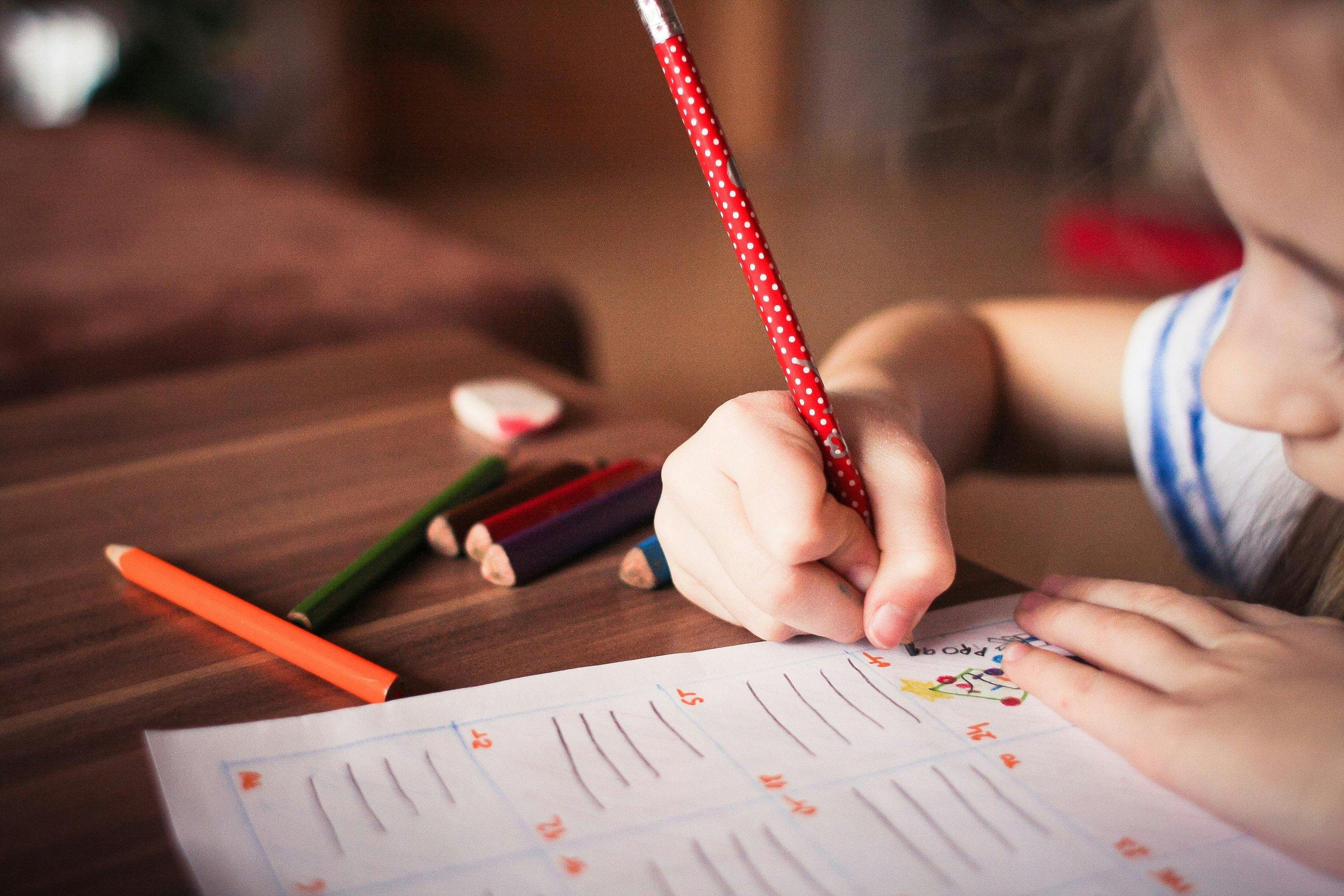
You don't need a “writing curriculum moment” to raise a writer. You need tiny invitations to write in real life.
Why this matters
The National Association for the Education of Young Children notes that young children benefit when classrooms and homes provide regular opportunities to express themselves on paper without being overly constrained by perfect spelling or handwriting—because it teaches that writing has real purpose.
NAEYC also offers practical guidance that preschoolers benefit from daily writing experiences embedded in routine, like sign-in and choice time, while keeping it joyful and developmentally appropriate.
Strategies: what to do and what to say
Morning sign-in: thirty seconds. The child writes their name, first letter, or scribble-name. Say: “Write your name in the way that matches your hand today.”
Snack-time labels. Use sticky notes for apples, crackers, or water. Say: “Want to write the snack sign so everyone knows what's here?”
Errand lists and treasure checklists. A two-item list is enough. Say: “Can you be the family's list-writer for two things?”
Make writing part of play: restaurant menus, veterinarian charts, tickets for a pretend bus, or maps with labels. Say: “Every good game needs a sign. What should ours say?”
One-sentence family message board. Use a daily prompt such as “Today I feel…,” “My favorite part was…,” or “Tomorrow I hope…”. The child can dictate if needed; write underneath their original writing or drawing.
Reflection questions for caregivers
Where in our day does my child naturally communicate—in play, food, games, or feelings?
How can writing help them communicate there?
Am I expecting school writing, or honoring life writing?
Key takeaway
Writing sticks when it's useful. Tiny, real-life writing moments add up faster than one big lesson.
Grab a free activity to try today, or get a Rooted in Writing box with all materials included.